
The prices of CFDs are based on the prices of the underlying assets, which can be stocks, indices such as the S&P 500 or DAX, commodities such as gold or oil, currencies, or a number of other assets. Like a stop loss order, a take profit order will automatically close a position when it reaches a specified value, but for profit. If the asset price rises to the take profit point, the take profit order is executed, and the position is closed at a gain for the trader. CFDs are affected by the markets in the same way as underlying assets are. For example, if you are trading stock CDFs, the price changes in the stock market will affect you, even if you don’t directly own the stocks.
Understanding CFD Leverage: Risks and Benefits for Aussie Traders
In other words, a margin call is a broker’s demand for additional funds or securities when the account’s equity falls below the required maintenance level. Leverage allows traders to control positions that are larger than the amount of capital deposited in their trading accounts. A simple rule of thumb is to assess total exposure across related assets and scale positions accordingly.
The impact of market gapping
- Traders who grasp leverage can capitalise on its potential while managing risk effectively.
- However, it’s important to remember that your total profit or loss is based on the full size of your position, not your margin.
- The examples below show how leverage works in practice for forex and index CFDs, highlighting differences in margin requirements and exposure.
- As leverage increases, sensitivity to market fluctuations increases as well.
- In CFD trading, a trader is required to deposit merely a fraction of the total value of the intended position, referred to as the margin requirement.
- However, leverage can offer benefits, such as the ability to magnify any profits made on successful positions (as well as magnifying losses).
If you’re not sure which investments are right for you, please seek out a financial trading instruments adviser. To optimize liquidity, some platforms pool your capital into a collective account mixed with funds from other investors. When you buy traditional shares, your downside is strictly capped at zero because a stock price cannot drop below a physical floor. By only putting down a tiny fraction of the total trade value (the margin), you can still benefit from 100% of the potential price growth. At Capitalixe, we specialize in helping our clients who are often deemed as “high risk” find the perfect banking and payment solution for their needs.
Can I Trade Crypto on FISG?

However, we advise that volatile markets like gold or cryptocurrencies should be traded with minimal leverage, while more stable currency pairs can accommodate higher ratios. To understand how leverage works in CFD trading, let’s consider a recent example using gold. When used correctly, leverage enables traders to diversify across currency pairs, indices, and commodities, opening opportunities that would otherwise be out of reach. When used responsibly, it can improve capital efficiency and create opportunities across multiple markets. Many professional traders prioritize protecting capital over maximizing short-term returns.
By spreading your trades across various instruments, you reduce the likelihood of a single loss negatively affecting your entire portfolio. This can be especially useful in volatile markets where large price swings are common. Regulations could vary margin or leverage requirements in CFD trading, which necessitate swift adaptation. Such risks amplify exposure beyond market risk, where the need arises for broker selection and contingency planning. Speculation increases the chances of losses which are higher than the initial investment, the more so if market tendencies go against a trader. Margin calls, liquidations, and anxiety also tend to widen the extent of financial losses.
Leverage in CFD trading can shift prices above stop-loss levels due to unforeseen news, economic incidents, or poor liquidity. For likely gap situations, traders need to hold extra margin or reduce leverage. Trades may boost account growth since gains are based on market exposure, not margin. Besides, when market conditions are right, compounding lets traders earn faster. Thus, leverage, when used appropriately, might accelerate long-run wealth-construction ventures. Because margin requirements are just a percent of aggregate exposure, traders cannot risk all of their money from a single transaction.
Forex Guides
Small price fluctuations in the underlying asset lead to much larger gains or losses. In addition, spreads, commissions, and overnight financing frequently apply, negatively impacting profitability. Regulatory restrictions and broker policies vary significantly, making rigorous due diligence essential before trading CFDs.
Analytical Skills and Market Knowledge
Many experienced traders focus on preserving capital rather than maximizing leverage, recognizing that long-term consistency often depends on effective risk management. Leverage allows traders to control a larger market position using a smaller amount of capital, often referred to as margin. Understanding the psychological impact of leverage on trading behavior adds another layer of complexity. Traders might experience pressure or overconfidence due to the increased exposure provided by leverage.
Choosing the Right CFD Broker
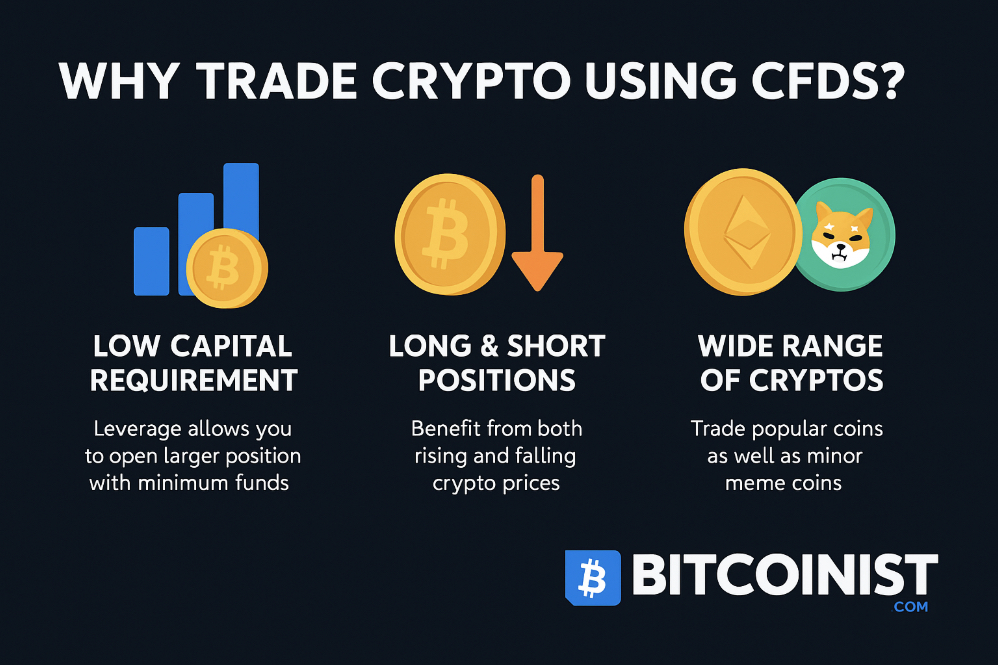
CFDs are complex instruments and come with a high risk of losing money rapidly due to leverage. You should consider whether you understand how this product works, and whether you can afford to take the high risk of losing your money. While leverage can amplify profits, it also increases the potential for losses. A small movement against the trader’s position can result in significant losses, which could exceed the initial margin. In some cases, traders can be required to deposit additional funds to maintain their position, or they risk having their positions automatically liquidated by the broker.
What Are Contracts for Differences (CFDs)?
Counterparty risk refers to the possibility that one of the parties involved in a transaction can’t fulfil their contractual obligations. Leverage and margin are key terms in CFD trading and it’s important to understand how they work in order to better understand the risks involved. Learn how to invest in the Dow Jones using ETFs, index funds and stocks, or trade it with CFDs. Finder.com is an independent comparison platform and information service that aims to provide you with the tools you need to make better decisions. While we are independent, the offers that appear on this site are from companies from which Finder receives compensation. We may receive compensation from our partners for placement of their products or services.
How do underlying assets impact leveraging when trading CFDs?
High volatility means that prices can change rapidly, which can result in substantial gains or losses for CFD traders. However, while CFDs offer opportunities for profit, they also come with significant risks. Understanding these risks is crucial for anyone considering entering the world of CFD trading.
For the purposes of the example, let’s say you think Cisco’s share price is set to rise and decide to buy 100 shares as a CFD. In this article, you will discover how both leverage and margin work when trading CFDs. Since leverage and margin calls are always used around one another, let’s define what a margin call is. Nothing on this website should be considered as investment advice or a recommendation by FortressFX Ltd, its affiliates, directors, officers, or employees. The services of FortressFX Ltd are not intended for use by any person in a jurisdiction where such services would violate local laws or regulations.
Financial Health and Risk Tolerance
Understanding how leverage works, the risks involved, and how to manage it effectively are essential for anyone looking to trade CFDs. By using proper risk management techniques, calculating leverage accurately, and implementing sound trading strategies, traders can make the most of leverage while minimizing the risks. Margin is the amount of money that a trader must deposit with the broker to open a leveraged position. This means that with higher leverage, traders can take larger positions with relatively smaller capital investments. In CFD trading, leverage means borrowing money from a broker to control a much larger position than your own equity would permit.
Depending on your market regulator, there might be a maximum amount of leverage a broker can offer. You can trade CFDs on a variety of assets, including stocks, commodities, currencies, ETFs, indices and crypto coins. Like any investment, it’s important to do lots of research before you begin. The more you understand about the ins-and-outs of CFD trading and the risks involved, the better.