

We hypothesize that barriers to expansion of SLHs might vary by stakeholder groups. Drug and alcohol administrators and operators of houses might therefore need different strategies to address the concerns of different stakeholders. We try to provide current information but cannot monitor every recovery home listing and do not guarantee the accuracy of listings. Sober House Directory is a helpful starting place to find a recovery home and includes listings for sober houses, recovery residences, structured group homes, and other sober living for men and women in recovery. A sober living facility is a residential accommodation where individuals recovering from substance use disorders can live in a structured, supportive and substance-free environment. The length of time that a person lives in a sober living facility varies based on their unique needs and progress on their recovery journey; however, the average length ranges from 6 months to several years.
- These homes can offer an in-between option for individuals after they complete a treatment program and before they return to their homes and lives.
- We therefore suggest that there is a need to pay attention to the community context where those interventions are delivered.
- SoulShine operates 5 sober houses conveniently located in 3 different towns in central and eastern Suffolk County.
- By house managers enforcing these rules, it helps to properly manage the house and keep it safe for everyone living in it.
- Some may have had negative experiences in treatment and therefore seek out alternative paths to recovery.
Sober Living America
- It’s important to recognize that the specific therapies offered differ from one home to another, depending on the home’s philosophy, resources and needs of the residents.
- A sober living facility is a residential accommodation where individuals recovering from substance use disorders can live in a structured, supportive and substance-free environment.
- These homes are often staffed in shifts by psychiatric nurses and licensed clinical social workers, who provide residents with 24-hour supervision and centralized recovery care.
In communities that are unable to fund a sufficient number of treatment programs for individuals with substance use disorders, freestanding SLHs might be a clinically and economically effective alternative. The availability of treatment slots for individuals released from jail or prison or particularly lacking. For some those offenders who are motivated for abstinence and capable of handling some degree of autonomy SLHs might be a viable and effective option for recovery that is currently underutilized.
Oxford Houses are self-run, self-supported homes for individuals in recovery from a Substance Use Disorder.
View and download the latest House and Chapter Manuals, along with other forms used to conduct weekly house meetings. Rent your home as an Oxford House and become a vital part in our mission to save lives. Oxford Houses are democratically self-run by the members who elect officers to serve for terms of six months. House officers have term limits to avoid bossism or corruption of egalitarian democracy.

SMART Recovery vs. A.A. – Is One Better?
If you or a loved one living near Columbia want to begin a new life free from drugs and alcohol, contact us and we will get you in a healthy and supportive environment. While some individuals may feel apprehensive about moving into a home with rules and regulations that must be followed, those that have lived in these sober homes understand the importance of setting rules and abiding by them. When rules are set and followed, the chances for those trying to sustain recovery are higher compared to those that receive no support of any kind, and find themselves back into their old habits. The two types of recovery houses assessed in this study showed different strengths and weaknesses and served different types of individuals. Communities and addiction treatment systems should therefore carefully assess the types of recovery housing that might be most helpful to their communities. It was noteworthy that a wide variety of individuals in both programs had positive outcomes.
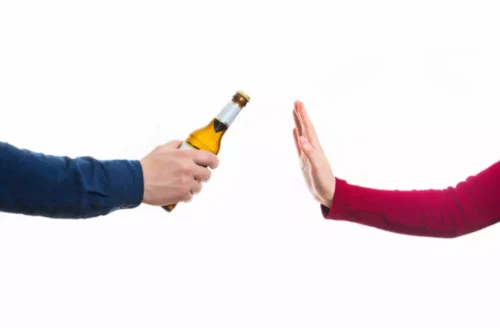
Residents are usually required or strongly encouraged to attend meetings and actively work a 12-step recovery program (e.g., obtain a sponsor, practice the 12 steps, and volunteer for service positions that support meetings). However, some houses will allow other types of activities that can substitute for 12 step groups, provided they constitute a strategy for maintaining ongoing abstinence. Sober Living America is dedicated to the success of our friends in Atlanta, Georgia seeking recovery education, sober housing, and career development.
Sana Lake Recovery Center
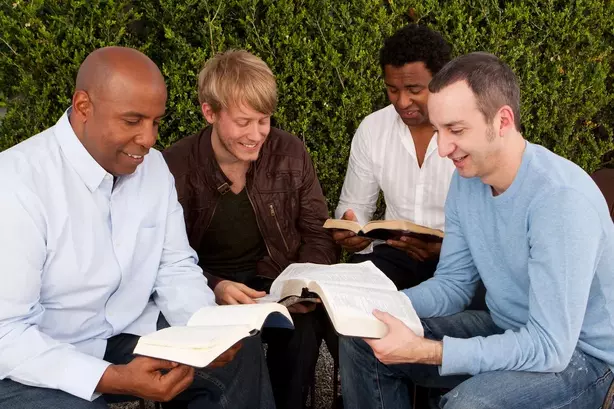
A vibrant city is an excellent place for young people to enjoy sober living to its fullest. The town has plenty of halfway houses to choose from and a tremendous sober club scene that expands. Throughout the county, many drug-free communities with the San Diego Second Chance program create a unique set https://ecosoberhouse.com/ of opportunities for those in recovery. Not too far away, you’ll also find plenty of sober communities across Orange County. Central to recovery in SLHs is involvement in 12-step mutual help groups (Polcin & Henderson, 2008).
Sober Living Rules You Can Expect to Have
Seeking sober living after completing rehab programs is critical to success. The absence of a stable, alcohol, and drug-free living environment can be sober house a severe obstacle to continued abstinence. Unfavorable living environments can hinder recovery for even extremely motivated individuals.
Stairway Recovery Men’s Sober Living
- Despite the enormous need for housing among the offender population, SLHs have been largely overlooked as a housing option for them (Polcin, 2006c).
- Having access to halfway houses, treatment facilities, and drug-free environments is vital for those looking for a sober community to call home.
- We’re not including Delray Beach on the list because that’s where we’re located.
- Also like other SLH models, each house has a house manager who is responsible for ensuring house rules and requirements are followed.
- Residents live together as a family to develop the tools and strengthen their character in order to live free from substance abuse.
- Not all homes offer the same things, so finding one by word of mouth can be helpful.
The Oxford House Model provides a unique and successful system of operations that differs from traditional sober living homes and halfway houses. After leaving drug rehab, many people struggle to make the adjustment back to their daily lives. In some cases, they struggle because they don’t have the coping skills they need to lead drug-free lives. If you are like many people, you learned a few new coping skills while in drug rehab, but have not had a chance to practice them in real life.